A few years ago, the then PPAA Committee discussed the possibility of putting up new, additional site notice boards, on which plot holders could place e.g. for sale notices.
This was partly informed by the periodic need – taking up volunteer time – to remove the remains of such notices attached to the gates, along with cable ties, bits of wire etc., and the general impression of untidiness created.
However, the Committee members who’d agreed to investigate taking this forward subsequently left. More importantly though, since then, this website’s been developed, to offer the facility to readers to place such advertisements on it, where they will likely find a much wider readership. It also means that PPAA funds don’t need to be spent on the installation and maintenance of physical boards. The place for such notices is on the “Lost/found etc.” page. However, a word of warning: it’s unwise to publish to the world email addresses or phone numbers. So e.g. just a first name and plot number should be used for contact, and meetings can easily be arranged by reply to the original comment.
This website has well over two hundred subscribers, and the stats show that it also has a steady flow of general readers.
We’d respectfully ask then, that people wanting to advertise things for sale, or to announce that they’ve found lost property, and so on, kindly don’t place notices on the gates, but advertise as just described.
Georgina Rannard, the BBC’s climate and science correspondent, has an allotment plot in Cardiff. Her piece, with another of our gardeners, on BBC Breakfast at 0815 this morning (Sunday) can be found on BBC iPlayer – until it expires tomorrow (Monday) just before 0900.
In arguably more enlightened countries, e.g. France, Non Assistance Of A Person In Danger is a criminal offence, punishable by a fine of up to seventy-five thousand euros, and or as much as five years imprisonment. In England and Wales on the other hand, the right of the Lord Of The Manor to have his day untroubled by the discovery of someone seriously injured on the pavement is apparently considered to be more important, and so he’s legally entitled to ignore such a person and their predicament.
What has this to do with allotments? The reader might ask. Well, during and following the recent unseasonably windy weather, a number of branches have fallen onto plots from trees growing on Council property, Llandaff Fields Park, and these could easily have harmed anyone who happened to be beneath. Furthermore, on inspection, it’s clear, that over time, many more branches will become likely to fall, owing to the poor health of these trees. A number of such incidents have been reported to PPAA Committee members, and it sometimes appeared that the messengers expected them to ensure that this danger is addressed and removed, and that having passed on their observations, they themselves were absolved of any responsibility, moral or otherwise, to do anything further.
The paid post holders of corporate or other entities are legally bound by a Duty Of Care to require them not to act negligently, in such a way as to endanger either the general public, other employees, customers, service users, or whomever. However, the unpaid volunteers of PPAA Committee aren’t such people, and are bound instead by only the same duty not to behave recklessly as binds every member of the public. That is, they’re generally no more empowered or responsible for the reporting of any danger to the relevant body than is anyone else, e.g. any other plot holder.
With particular regard to dangerous trees on Council land adjoining site, PPAA Committee members have reported them several times using either the public on line reporting form, or by email to Parks Parks@cardiff.gov.uk and in some urgent instances action was taken by the Council, but anyone else could equally have done this, and PPAA Committee enjoy no privileged position in this regard, nor responsibility under the Local Management Agreement to do so either. So it would be of assistance, if those with any such concerns took the necessary action and made the reports themselves, rather than to expect others, who might be too busy to do so, or who might simply forget, to do this. The links in this paragraph will enable this, but our experience is that the Council are very stretched in this area of work, and usually down-prioritise jobs which aren’t an immediate danger to e.g. schools, to the extent that a reply to such reports isn’t to be expected as a certainty.
While you’re here…
It’s a minor oddity, but the pictured spade appeared on a plot recently, and it’s nothing to do with either its tenants or their immediate neighbours, so if anyone can account for this, then we’d be interested to hear.
Update: the spade has been reunited with its owner, who reported that they had found their shed open, but the only thing missing was the spade. Curiously, the plot from which it was taken was a long way from the one on which it was found. Furthermore, it was stuck into the ground upright where digging was presently taking place as if being used, and not simply thrown down. The plot holders – who reported the find – have more than one spade of their own however.
PPAA have just received this email from a lady plot holder on Llandaff Fields Allotments (those with one gate opposite ours):
“Hi, I have a plot just over the avenue in Llandaff Fields Allotments. Thought I should let you know, as I know you have had incidents of vandalism and theft on your site. At about 7:30 pm, Saturday 2nd, I popped by my plot to pick some produce and was met at the gate (down the lane by the the toilets) by two young boys (around ten/eleven) being chased by a fellow allotment holder, as they had stolen his bike off his plot. They cycled off pretty quickly with the stolen bike (but left one of their bikes behind.) About an hour later they returned (now three boys, the new one being about five/six years old) looking for their bike. My fellow plot holder spoke to them, negotiated a swap and got his bike back (although it had already been resprayed.) They cycled off again. Then about ten minutes later (I had returned to my plot to pack up my things to head home) the boys returned and spray painted my car, ripped off the fuel cap and sprayed/poured paint into the engine (car was parked outside the allotment in the small car park at the end of the lane.) Police have been notified.”
This might explain some of what has also happened on PPA site, and emphasises why the gates should be kept locked at all times. Sadly, it appears that allotments are now very much considered A Thing by the criminal classes and their kids.
Each plot holder, under their Tenancy Agreement is entitled to:
Their plot, as seen when they were shown it.
To use the access tracks and partition paths, so far as necessary, to access their plot or other entitlements.
To use the water supply.
To use the car parks for that purpose.
To do any other thing expressed or implied as permitted by their Tenancy Agreement, but only to the extent allowed by its terms, e.g. to bring a dog, on a lead, onto their plot.
If they’re a full member of the Pontcanna Permanent Allotments Association, having paid their five pounds annual subscription, then they’re also entitled to:
The use of manure when available.
The use of wood chips when available.
To enter the draw for a bed in the communal poly tunnel.
All tenants are automatically basic members of PPAA at no charge, and are therefore entitled to:
Vote at AGMs
Stand as PPAA Committee members
Use the shop facilities and Plant Sale as and when available. (Notwithstanding the present wording of the Constitution, PPAA Committee have said that everyone can use these.)
The use of any other PPAA benefit that’s intended to be for all e.g. the bring-and-take point.
An important point about the narrow paths between plots is that they’re composed of part of each adjoining plot. So in principle, if anyone goes on these when they don’t have a purpose for access, then they’re on someone else’s plot without either their invitation or other authority. Many plot holders will understandably be suspicious if they find someone who’s not a near neighbour on their path, and may well react accordingly. So if anyone’s curious – as many of us are – about what someone else is growing or how, then it’s best to observe from the wide, Committee-maintained trackways only.
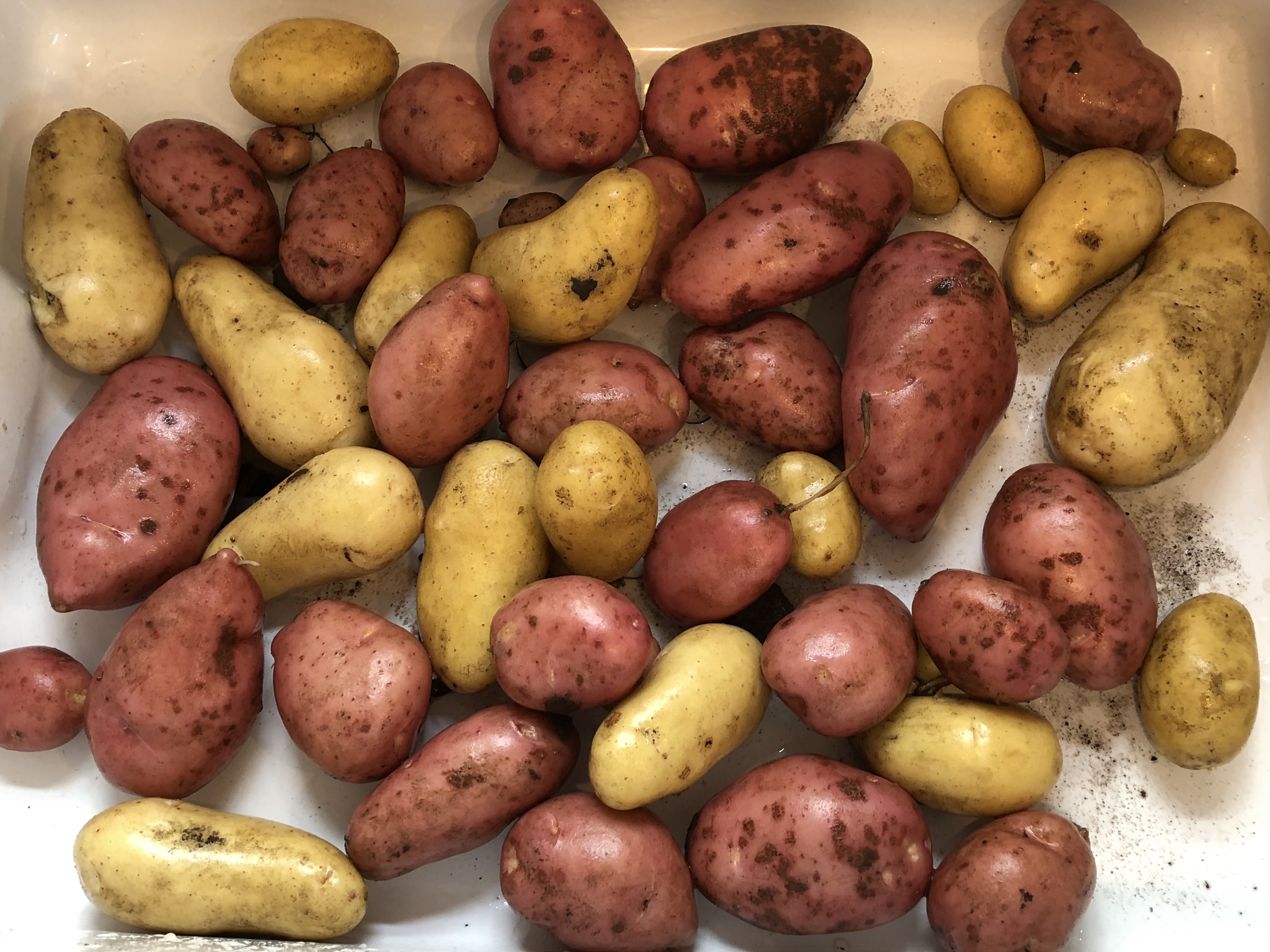
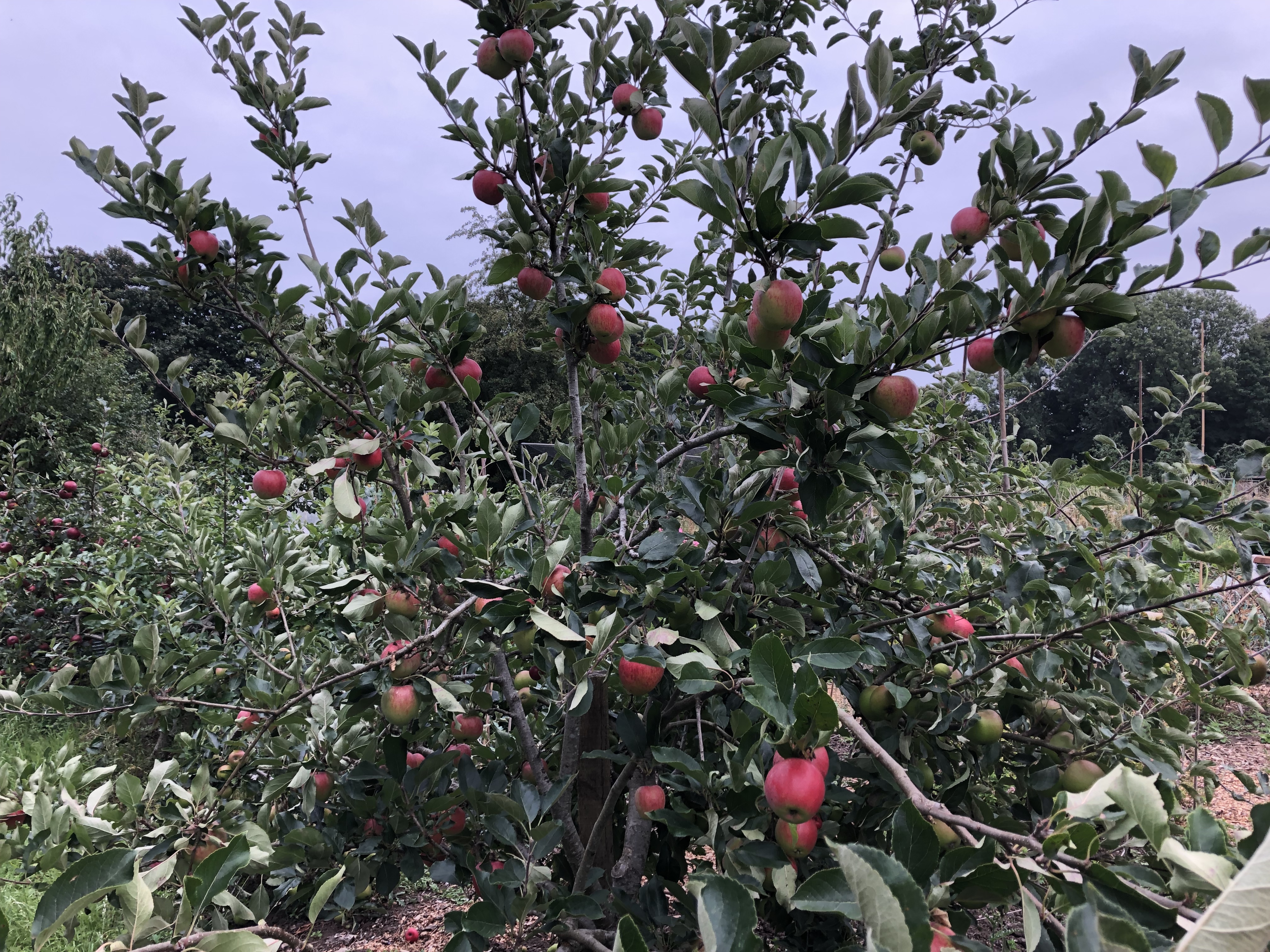
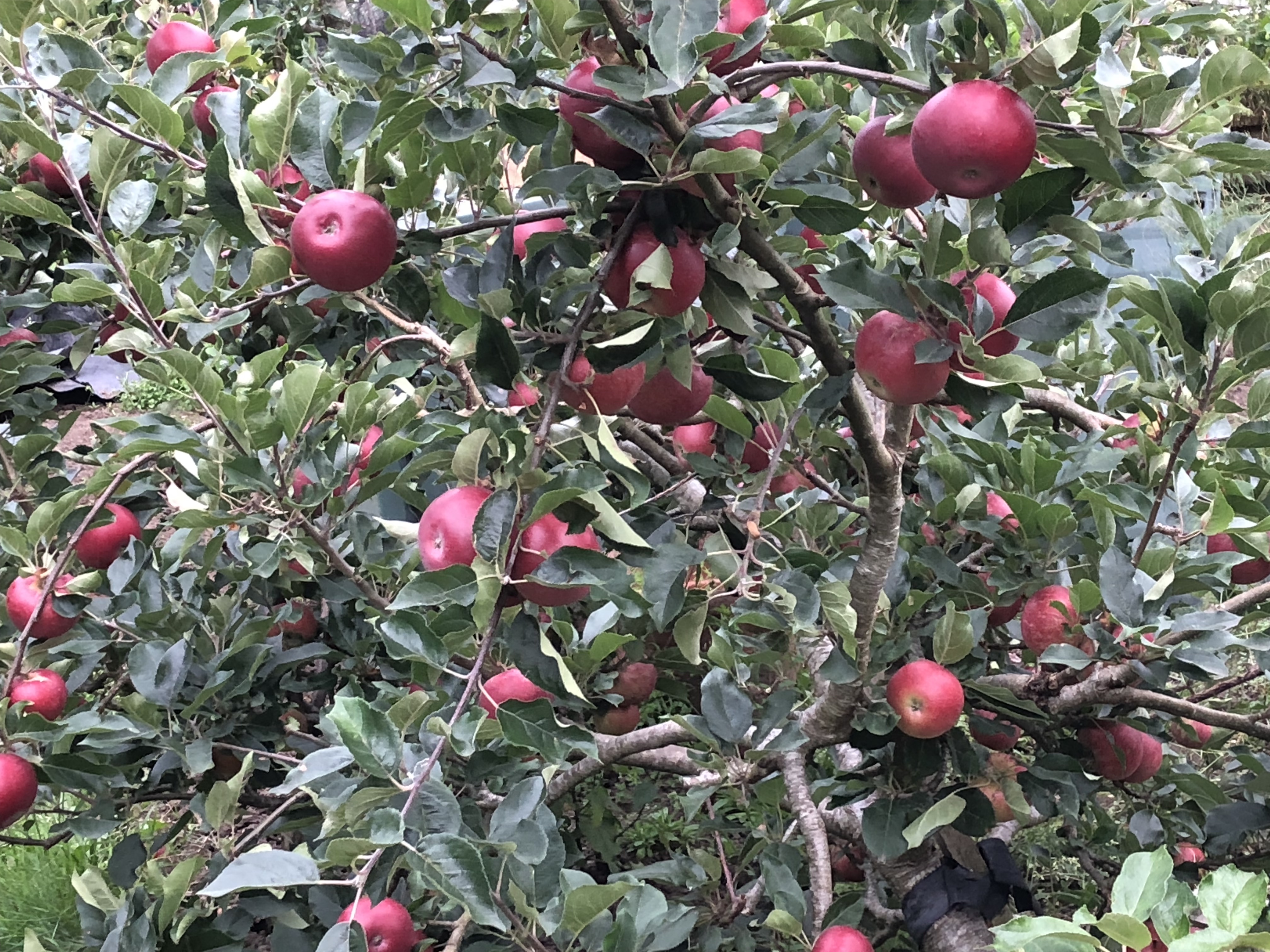
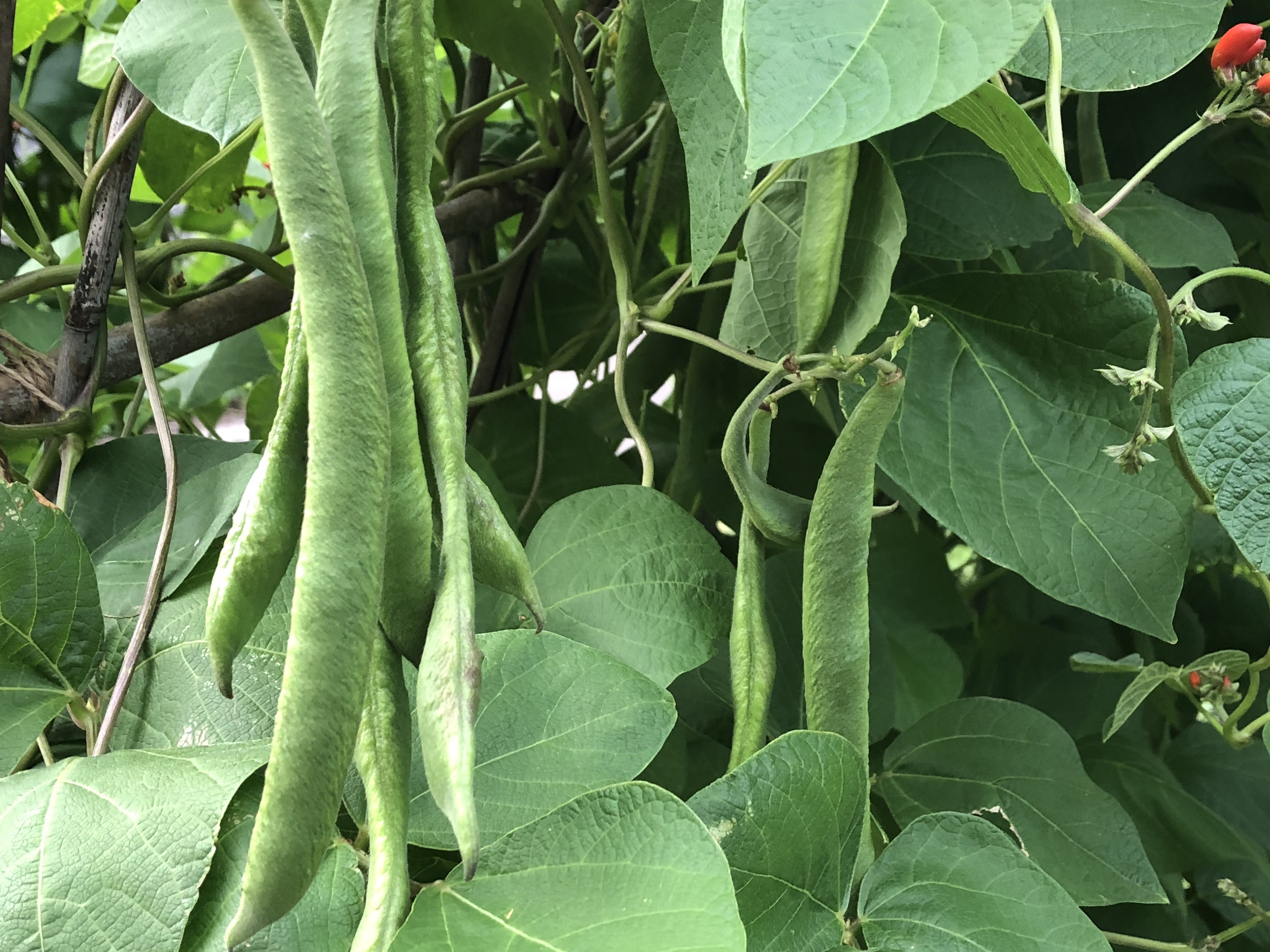
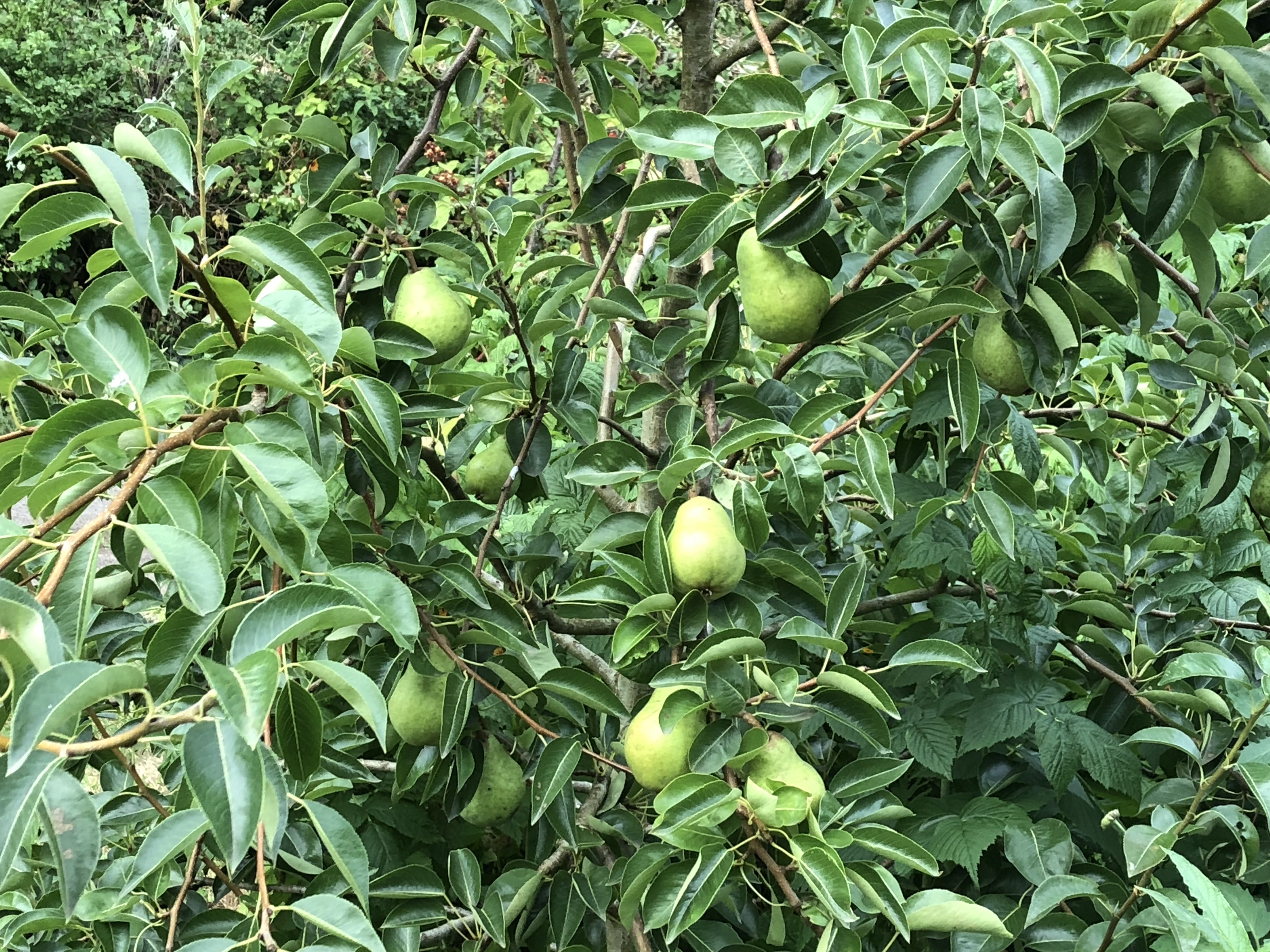
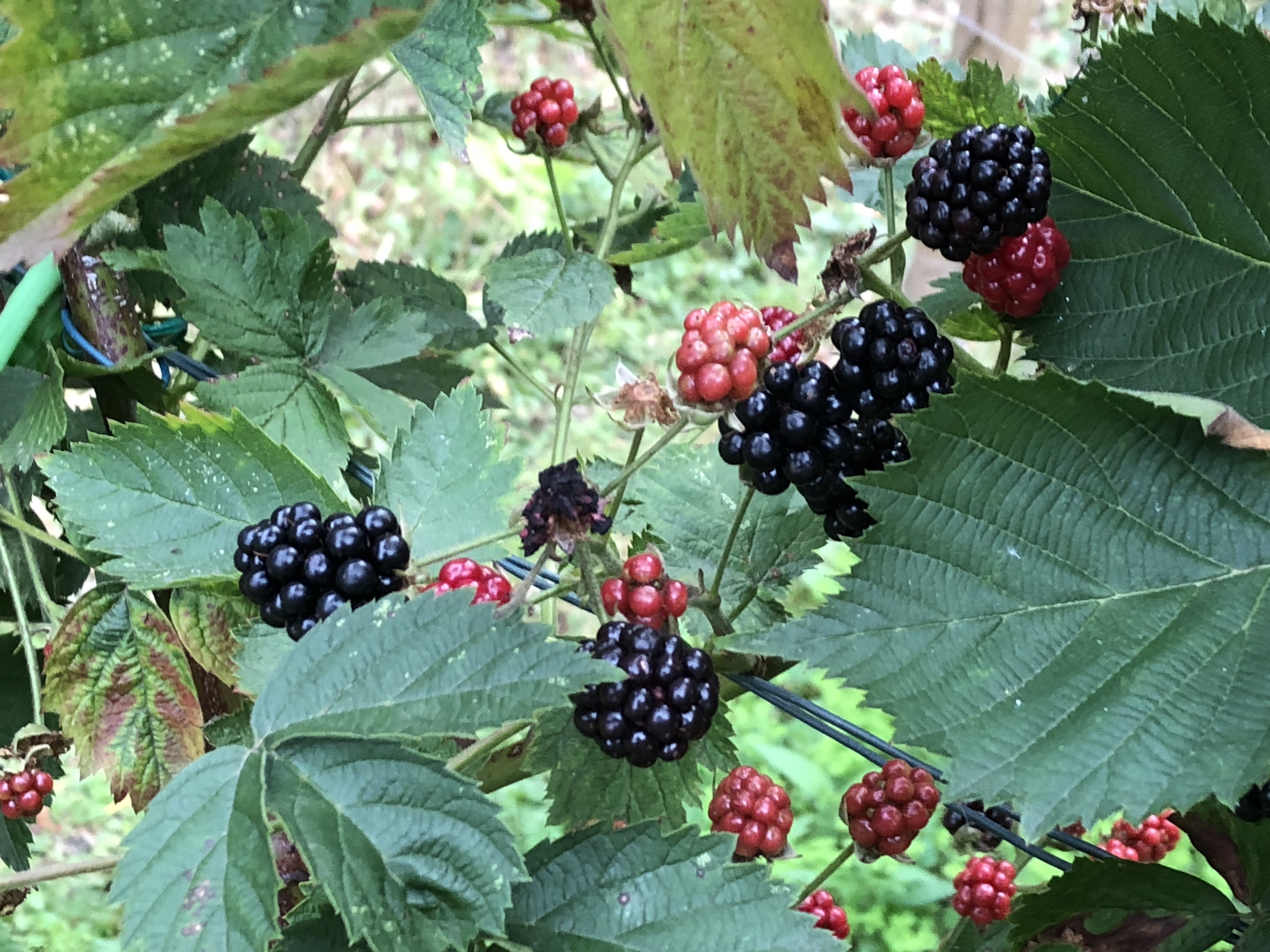
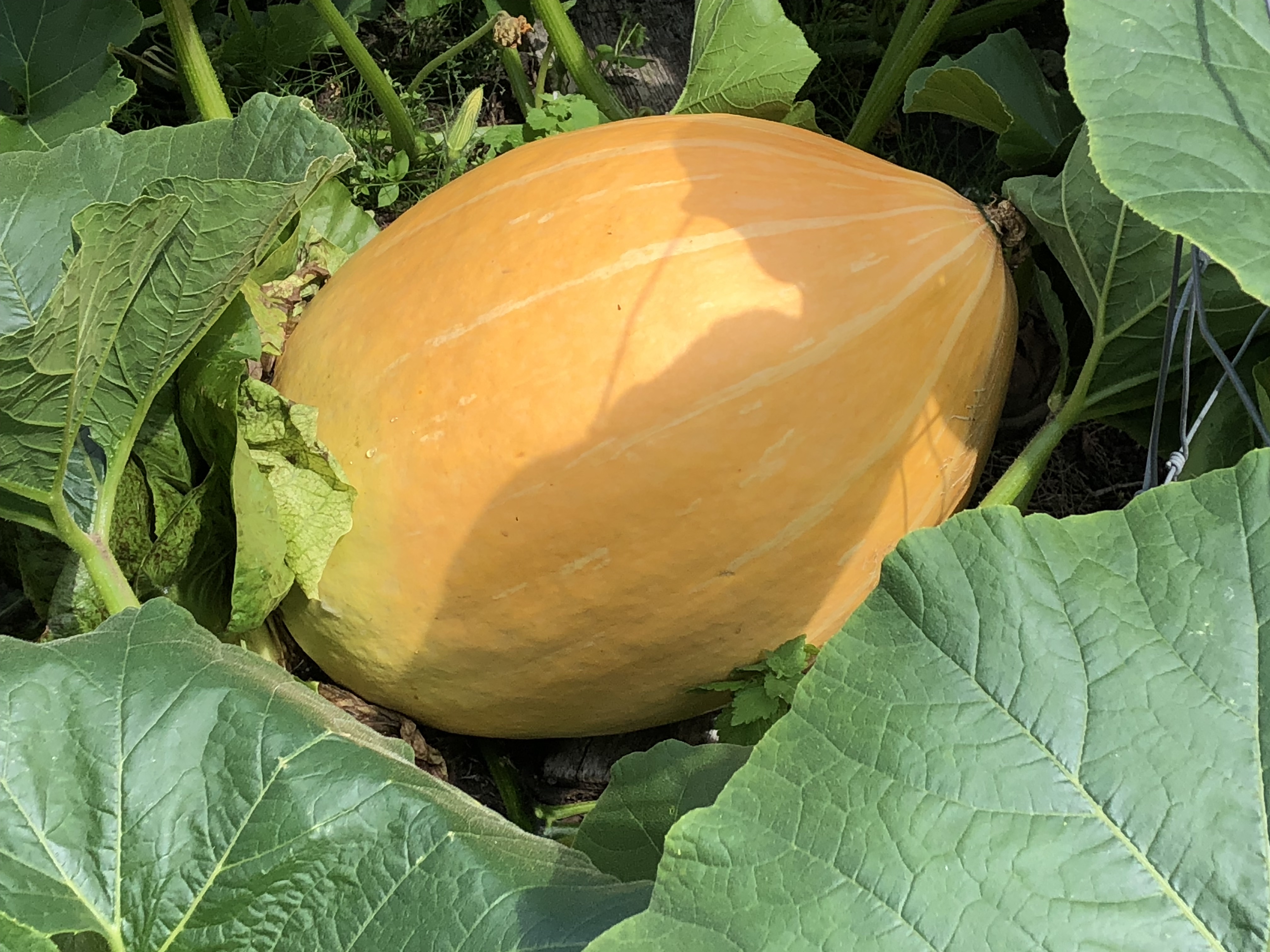
We’ve never seen so much fruit, weighing down the branches on trees, but it doesn’t end there…
(Those potatoes were from just two plants, one Charlotte and one Desirée. The largest are about ten centimetres, four inches long. The rest of the plants are still growing on, furthermore.)
Many people will find their trees offering far more than they can eat, but please don’t anyone let this go to waste. They can contact a charity, such as Orchard Cardiff (click the link), who will very gratefully meet them to harvest their surplus fruit.
Site representatives’ meetings
Allotments associations’ representatives in Cardiff attend two kinds of regular meetings. There are bi-monthly Site Representatives’ meetings with the Council’s Allotments department, where matters of Council policy, procedure, funding, and capacity matters are discussed, with a view to ironing out any problems which would affect sites across Cardiff generally.
One current project is the introduction of the Orkastrate IT system for the management of:
allotments tenancies
waiting lists
billing
further relevant data
When fully operational, this is intended to make accessible in real time, for Site Representatives, the state of:
plot occupation
the plot inspection process
waiting lists
other necessities
However, at present it’s only in the initial stages. Consequently Site Reps are still reliant for the time being on the periodic lists issued by the Council – which may be months out of date.
In addition to the Site Reps meetings, Sue has also attended the Orkastrate training session and taken receipt of the device – a tablet – that the Council issue to access the system. There’s one per site.
The second type of meeting that Site Representatives attend – as Sue again did recently – are those of the Cardiff Allotment Holders Association (CAHA). These are also bi-monthly, but on the alternate months from the Council’s meetings.
CAHA are completely independent of the Council, and the meetings are important, because they enable the collective of Cardiff Site Reps to discuss – in confidence if necessary – any matter, and then to speak with one voice on that at the meetings with the Council.
Thanks to our independent volunteers
The planting around the site of long-flowering, hardy, pollinator-attracting shrubs is moving on, and our special thanks go to Tim Robinson and Katrina Couper for their latest work in preparing and planting out the verge by the southeast gate, and, probably as we write, the vacant ground at the end of Road Seven.
The range and variety of these shrubs will be extended as cuttings are grown on and reach maturity, and as other suitable locations around the site are cleared and prepared.
A major project that the Committee hope to complete over the coming months is the removal of the unsuitable subjects such as sycamore from the main hedge, and their replacement with slower growing, traditional hedging, such as sloe and hawthorn. This will look better, improve site security, remove the nuisance to car drivers, cyclists and pedestrians, and also greatly reduce the maintenance burden. Furthermore these can be interspersed with honeysuckle, a batch of cuttings of which are presently being tended. (Incidentally, now that the legal position is apparently clearer, the hedge will shortly be cut, which will no doubt come as a relief to drivers.)
Honeysuckle cuttings and abelia being grown on in pots
A last happy thing
In addition to the bumper crops seen about the site, many people have noted the frequent sightings of quite a range of butterflies. Anyone interested can help researchers to get a better picture of the national position, by taking part in The Big Butterfly Count (click the link.)
Commercial farmland or horticultural land in Wales is, it appears – according to the NFU Wales site – still subject to the very strict controls, which were introduced during membership of the European Union, known as GAEC (Good Agricultural and Environmental Condition) rules. If applicable to allotments, then these would have meant, in principle, a complete cessation of site management actions such as hedge cutting and tree pruning from March 1st to August 31st. Allotments are classed under planning law as agricultural land, but that doesn’t necessarily mean that they are classed as such under other law.
So we asked Google the question “Are allotments covered by GAEC?”, and this was the response:
No, allotments are not generally covered by GAEC (Good Agricultural and Environmental Condition) standards. GAEC primarily applies to agricultural land and practices, while allotments are typically considered as land used for non-commercial gardening and food production by individuals.
Elaboration:
GAEC Definition: Good Agricultural and Environmental Condition (GAEC) standards are a set of rules and requirements designed to ensure that agricultural land is managed in a way that protects the environment and promotes sustainability.
Allotment Purpose: Allotments are primarily for personal food cultivation and recreational gardening, not commercial farming. They are often smaller plots of land rented out by local authorities or private landowners for individual use.
…there was a lot more in this vein.
This supports what we’ve seen the Council do too. That is, on occasions they’ve cut the main hedge in summer using an agricultural cutter, although it’s unclear why they did this, as such maintenance is stated to be a responsibility of PPAA under its Local Management Agreement.
So it would seem that there need be no moratorium on important site maintenance during the spring and summer, but it must be borne in mind, that everyone is still bound by the law which is applicable, and very importantly that includes the Wildlife And Countryside Act 1981, which states:
(1) Subject to the provisions of this Part, if any person intentionally or recklessly
(a) kills, injures or takes any wild bird;
(b) takes, damages, destroys or otherwise interferes with the nest of any wild bird while that nest is in use or being built;
(ba) or at any other time takes, damages, destroys or otherwise interferes with any nest habitually used by any wild bird included in Schedule A1;
(bb) obstructs or prevents any wild bird from using its nest;
(c) takes or destroys an egg of any wild bird,
he shall be guilty of an offence.
So pulling this together would mean that normal maintenance such as hedge cutting and tree pruning can proceed, but every care must be taken to ensure that no bird, its nest, or eggs are damaged or obstructed.
Previously, PPAA Committee have, perhaps understandably, been uncertain on some of these points, but the position does seem clearer now.
We’re approaching the peak in wasp activity on and around the site, and PPAA Committee are receiving email on the topic. The options, as to the appropriate course of action are explained in this article, and so plot holders are encouraged to read that, and so save the time, which might otherwise be spent on perhaps unnecessary correspondence.
The Committee will make an assessment as to the need for treatment where the nest is affecting a communal area such as a track or car park*, and will oversee what needs to be done – if anything. However, if it isn’t, then it’s entirely a matter for the concerned plot holder.
A general point is that wasps nests don’t survive the winter anyway, and so the problem will resolve itself within a few months. If it’s only causing minor inconvenience, then this might inform a decision to take no action.
Update 31 07 25: There were two wasps nests, one each side of the manure heap by the shop, and these have been treated. The remains of the nests have been removed..
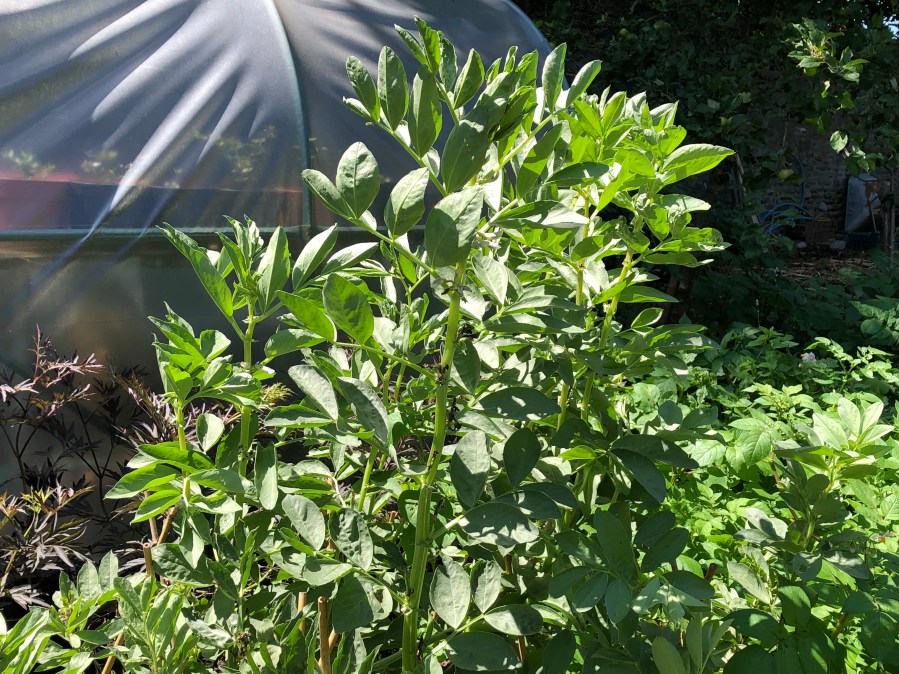
We planted broad beans a few weeks ago, but before they could get going they became weedy and sickly, having all the life sucked out of them by dense plaques of blackfly.
Whatever, we propped them up and carried on watering them.
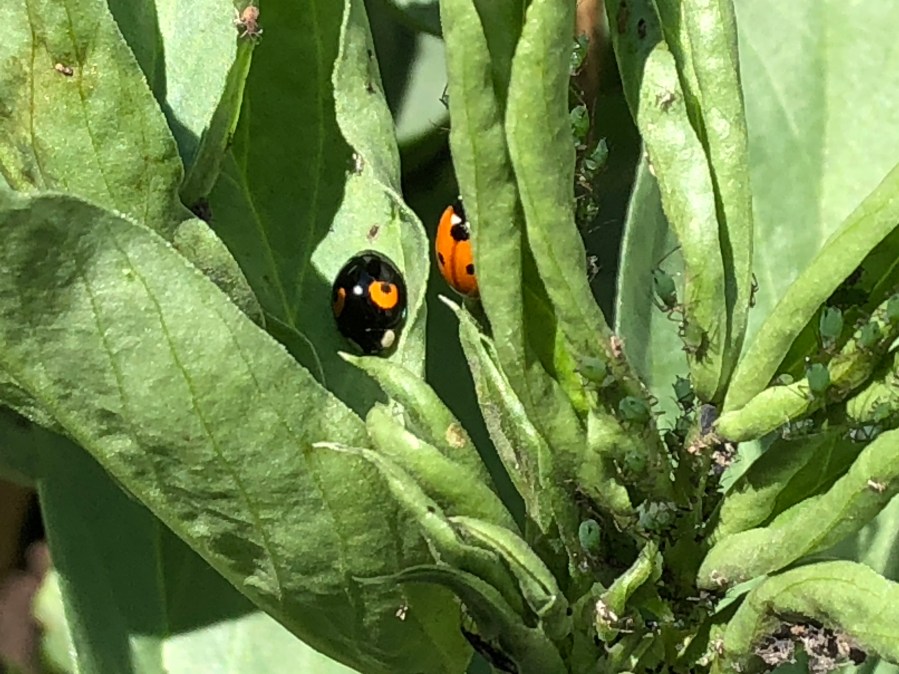
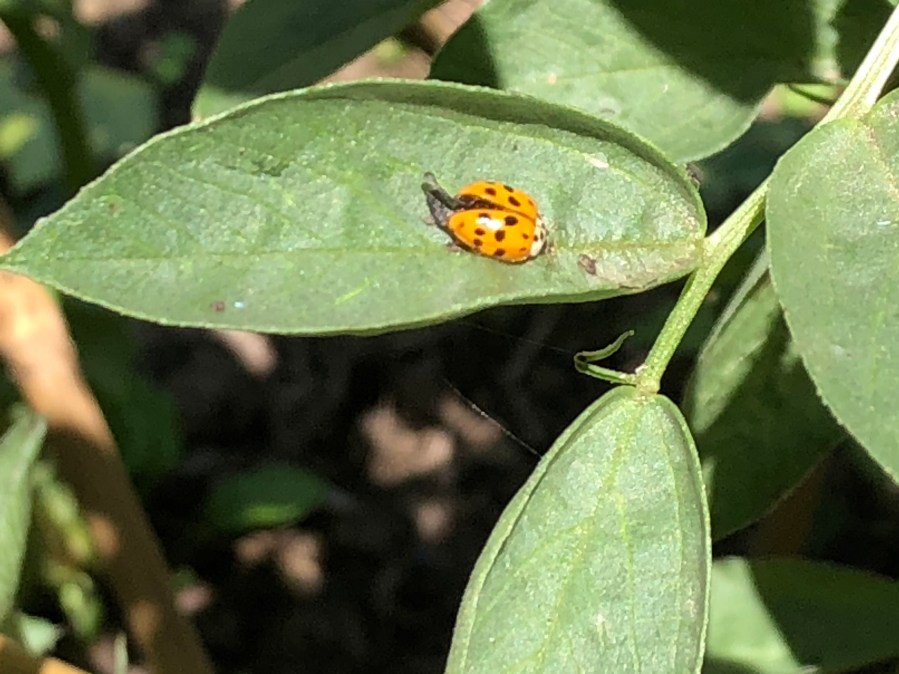
However, a few days ago we noticed that they seemed to be recovering, making sturdy new growth with healthy flowers. On closer inspection we found that they were now populated by ladybirds, making a feast of the blackfly, and leaving relatively few behind. There were quite a few ladybird larvae too, always a good thing to see.
Most of the blackfly have now been eaten, but there still seem to be quite a few greenfly. Perhaps they’re the ladybirds’ second choice?
Remains of blackfly colony
So if anyone should see blackfly, then we’d recommend checking for ladybirds before reaching for the insecticide spray, and they should remember that if they do use that, then they’ll likely kill off the ladybirds and their larvae too, so that when the blackfly return – as they will – there perhaps won’t be any ladybirds to deal with them. If there aren’t any ladybirds, then physical destruction of the aphids, by spraying the colonies with gentle detergent – e.g. water with washing up liquid – is to be preferred to chemical means anyway.
Readers are reminded that the vote closes at 1400 this Sunday, 22nd June. Every named plot holder is entitled to participate. (If there should be any sceptics, as to the reliability of the count, then they’re advised to take a screen shot of the confirmation page, which shows after voting.) The AGM minutes will be updated to show the result. That is, there won’t be a separate notification.
New Tenancy Agreement Consultation
The Council have asked that all plot holders be reminded that this consultation is still open.
They’ve had a few hundred responses, but to be really meaningful it should involve a majority of plot holders, and as it stands they’re a long way short of that.
Wilful damage
There have been, sadly, at least three cases of frankly sick-in-the-head vandalism on the site recently. In one a glass-panelled shed door was smashed in (it wasn’t even locked), in another a greenhouse was very seriously damaged, with many panes knocked out or damaged, and in the third a rainwater container, newly installed by the poly tunnel was pierced. In all cases, the people subjected to this made very speedy repairs, and with outstanding calmness.
It could have been the work of one or more bored or wantonly destructive children, but if it were that of an adult, then questions do have to be asked as to their sanity.
(If there have been any other cases, then apart from reporting them to the police it would be helpful for those affected to let PPAA Committee know too.)
Whether it’s related or not isn’t known, but a PPA gate key was found on the track near to one incident. If it were a bona fide plot holder’s, then we’d have expected a request for another key, but so far that hasn’t happened, and it’s some days now.
Scrap metal collection, fly tipping
Any scrap metal can be left with the pile in front of the blue shipping container at the southeast end of the site, but please, nothing else. A volunteer from Cardiff Rivers Group collects scrap metal and it can be sold to raise funds. However, there is no collection at all for any other waste materials.
Someone has taken to leaving scrap wood, and there have been other materials such as plastics left too. This is simply fly tipping, and so must stop, anywhere on site. As our tenancies state clearly, the plot holder is responsible for removing all of their rubbish from site, and leaving it anywhere else puts their continuing tenure at real risk.
Thanks everyone.
Please don’t anyone do this
Planting out of pollinator-attracting flowering shrubs
These shrubs have now grown to a point where many are ready for planting out. Four plot holders have kindly offered to help with this work, and so we invite them and anyone else interested to get in touch to organise this.
What’s envisaged is the clearing, weeding, and mulching with a weed-suppressing layer of manure, of the verge immediately to the right and beside the car park at the Western Avenue gate, and the same for the triangle of land by the derelict cubicles at the end of Road Seven.
Once that’s done, suitable specimens from among the several dozen hypericum hidcote, sambucus nigra, and two varieties of hardy fuchsia that we have can be planted there. (We also have some native elder and quite a few abelia – which flower for months and the bees love – but these need further growing.)