Each plot holder, under their Tenancy Agreement is entitled to:
Their plot, as seen when they were shown it.
To use the access tracks and partition paths, so far as necessary, to access their plot or other entitlements.
To use the water supply.
To use the car parks for that purpose.
To do any other thing expressed or implied as permitted by their Tenancy Agreement, but only to the extent allowed by its terms, e.g. to bring a dog, on a lead, onto their plot.
If they’re a full member of the Pontcanna Permanent Allotments Association, having paid their five pounds annual subscription, then they’re also entitled to:
The use of manure when available.
The use of wood chips when available.
To enter the draw for a bed in the communal poly tunnel.
All tenants are automatically basic members of PPAA at no charge, and are therefore entitled to:
Vote at AGMs
Stand as PPAA Committee members
Use the shop facilities and Plant Sale as and when available. (Notwithstanding the present wording of the Constitution, PPAA Committee have said that everyone can use these.)
The use of any other PPAA benefit that’s intended to be for all e.g. the bring-and-take point.
An important point about the narrow paths between plots is that they’re composed of part of each adjoining plot. So in principle, if anyone goes on these when they don’t have a purpose for access, then they’re on someone else’s plot without either their invitation or other authority. Many plot holders will understandably be suspicious if they find someone who’s not a near neighbour on their path, and may well react accordingly. So if anyone’s curious – as many of us are – about what someone else is growing or how, then it’s best to observe from the wide, Committee-maintained trackways only.
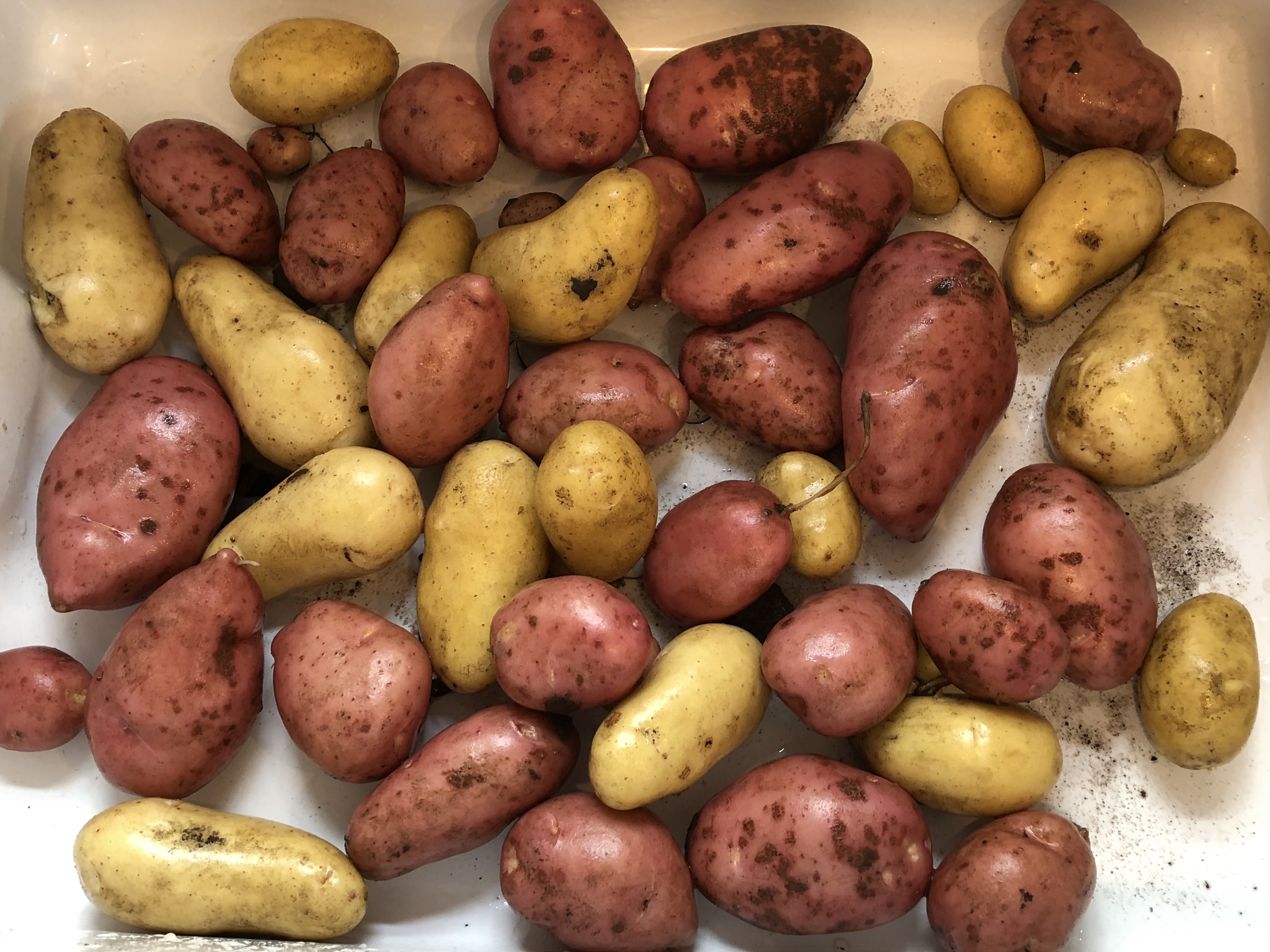
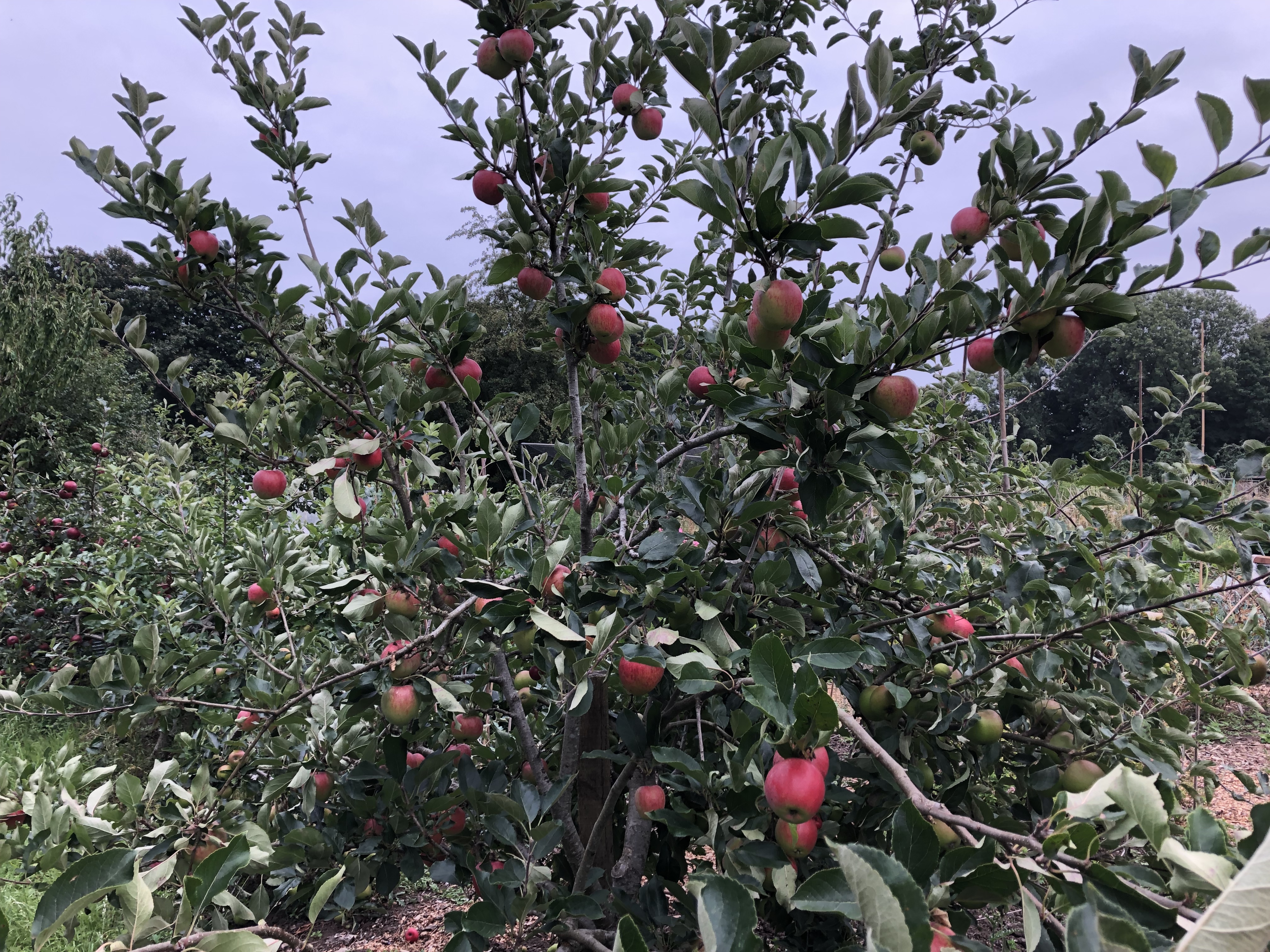
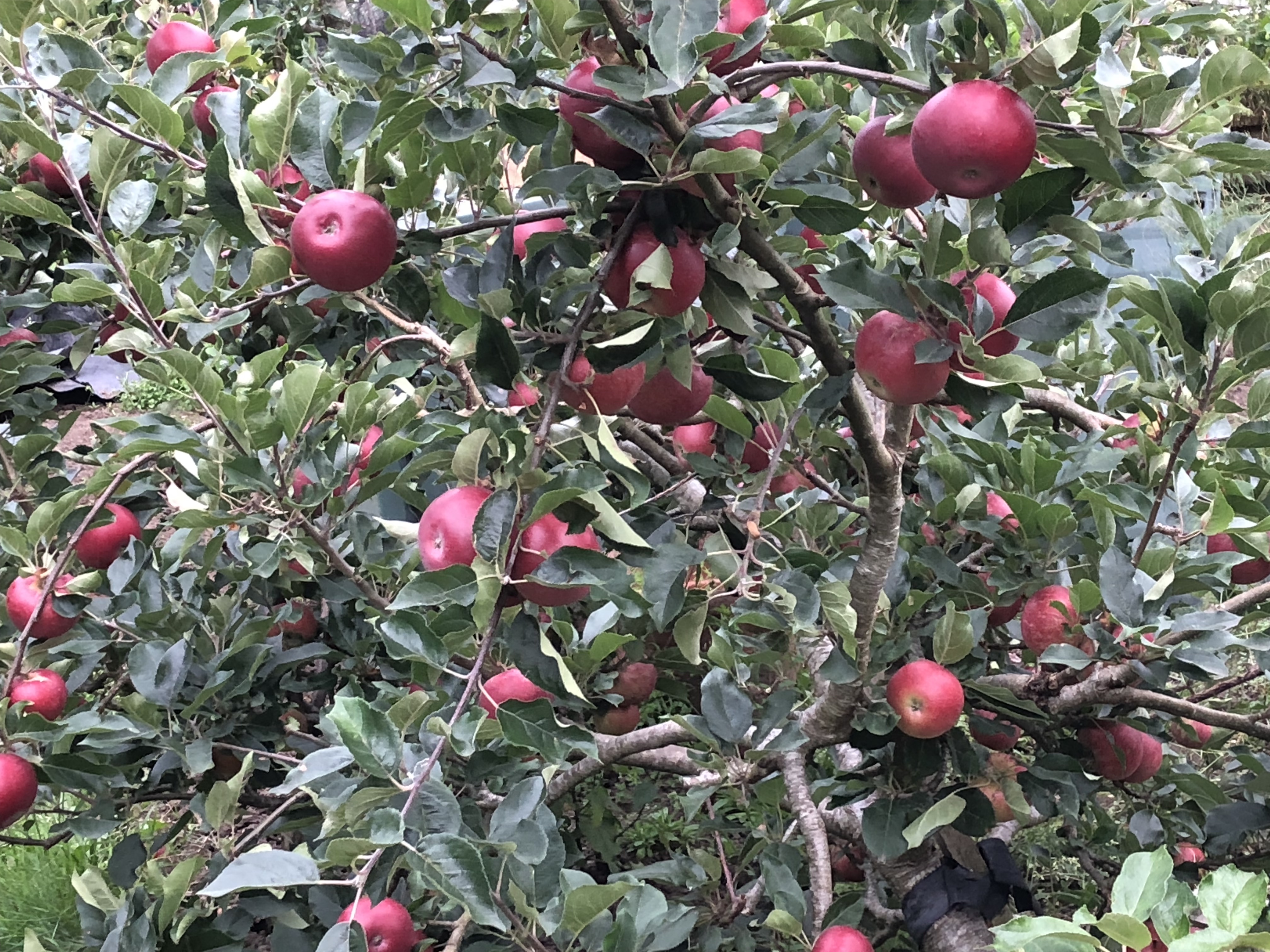
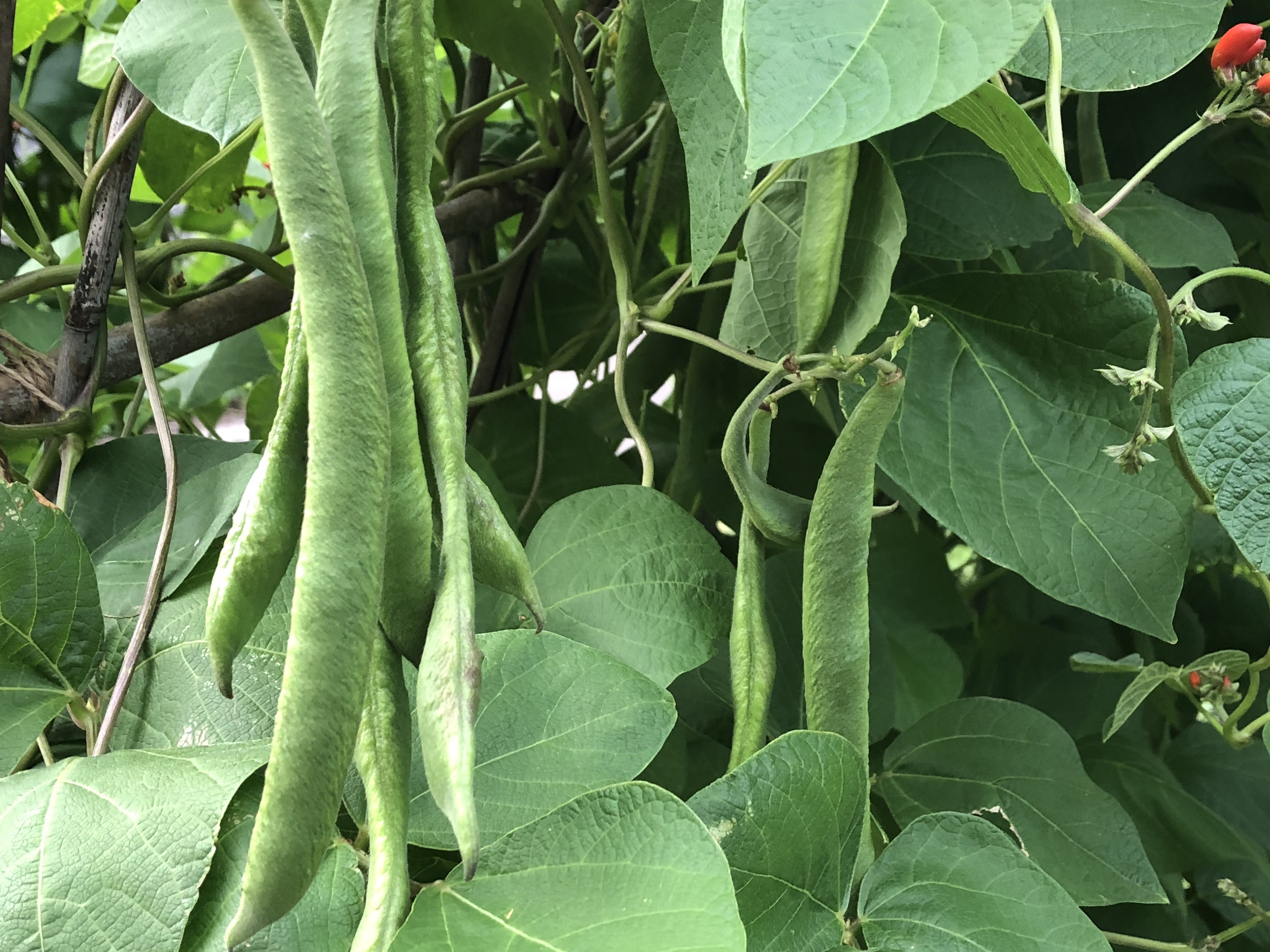
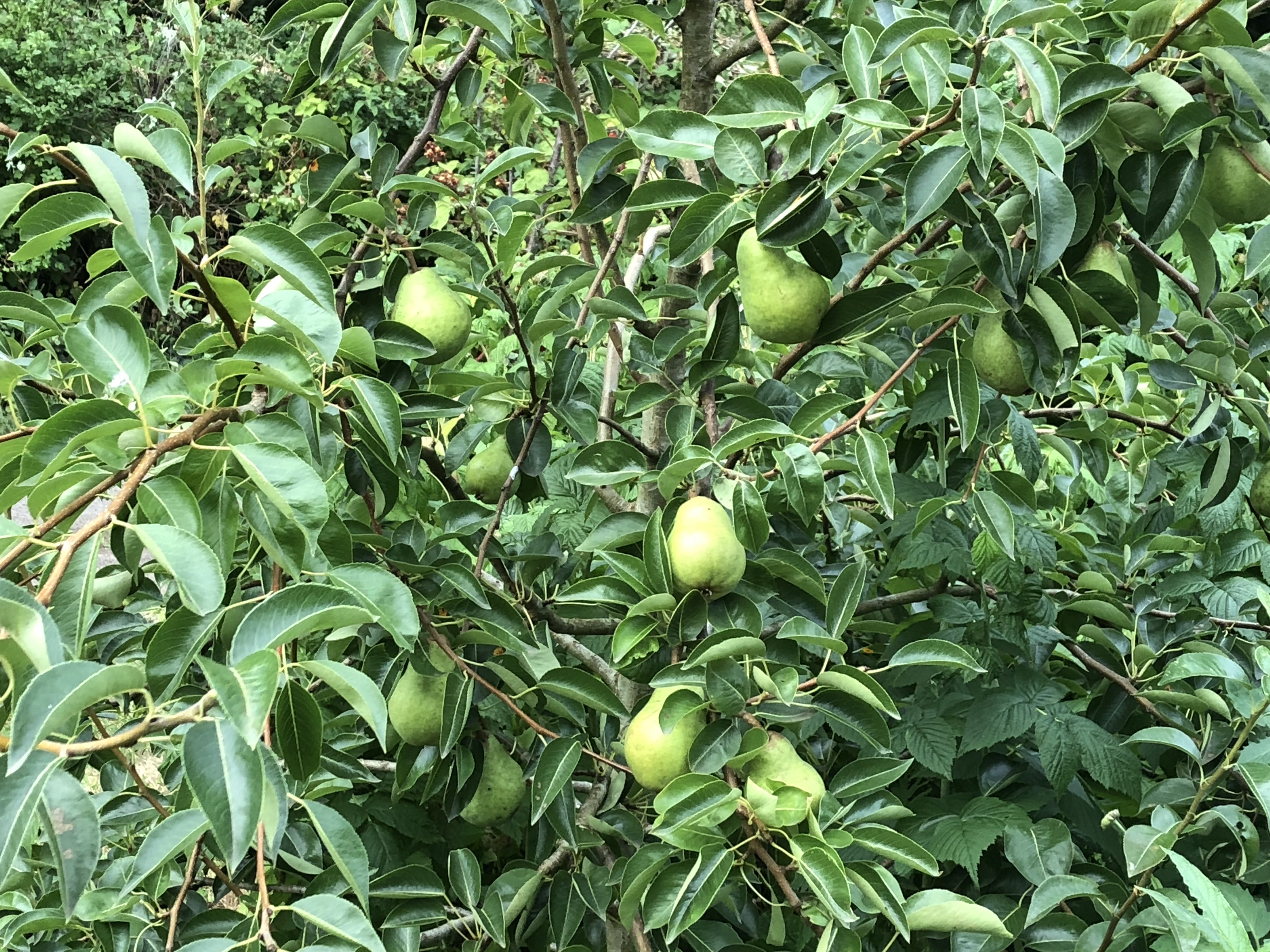
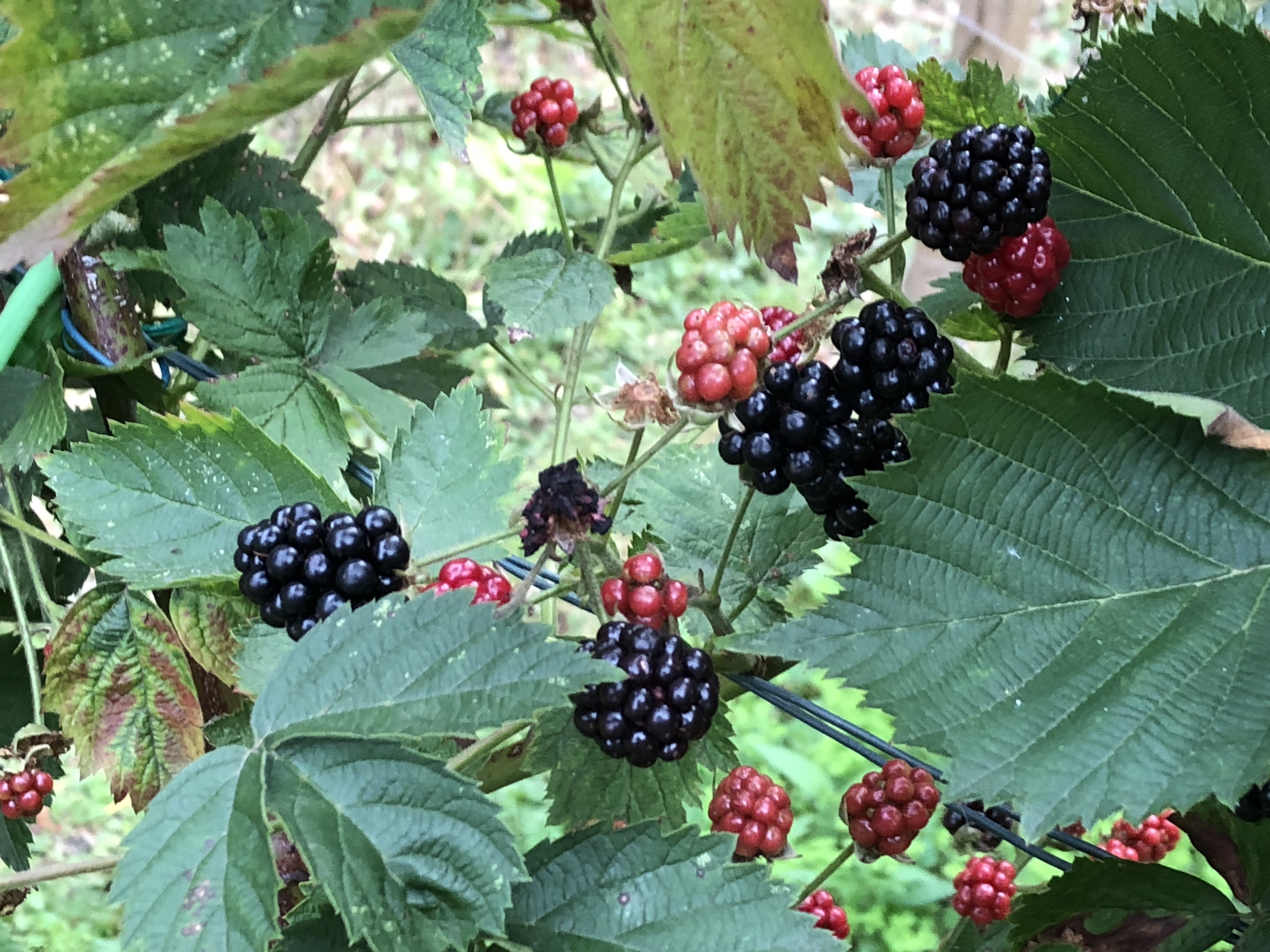
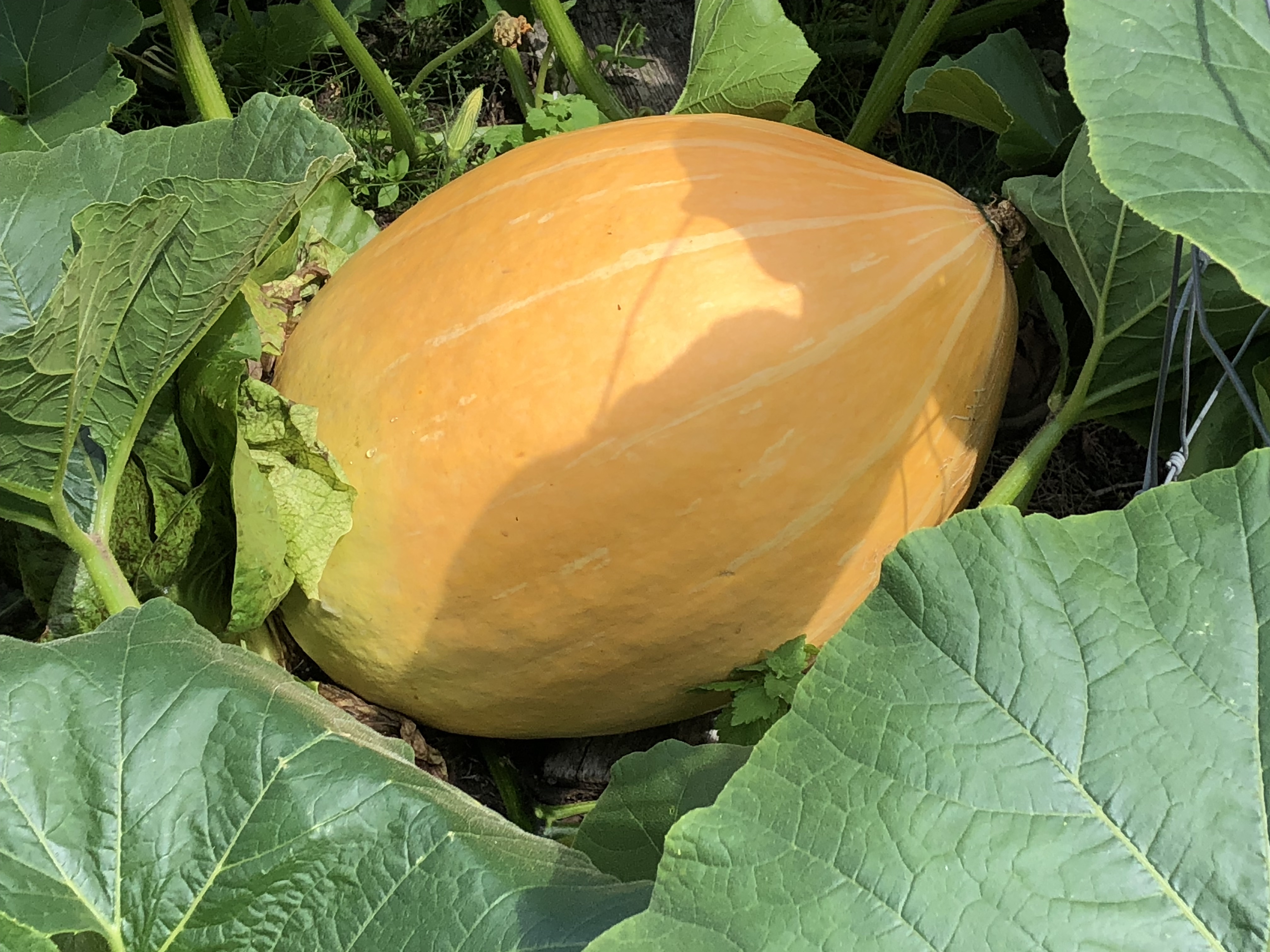
We’ve never seen so much fruit, weighing down the branches on trees, but it doesn’t end there…
(Those potatoes were from just two plants, one Charlotte and one Desirée. The largest are about ten centimetres, four inches long. The rest of the plants are still growing on, furthermore.)
Many people will find their trees offering far more than they can eat, but please don’t anyone let this go to waste. They can contact a charity, such as Orchard Cardiff (click the link), who will very gratefully meet them to harvest their surplus fruit.
Site representatives’ meetings
Allotments associations’ representatives in Cardiff attend two kinds of regular meetings. There are bi-monthly Site Representatives’ meetings with the Council’s Allotments department, where matters of Council policy, procedure, funding, and capacity matters are discussed, with a view to ironing out any problems which would affect sites across Cardiff generally.
One current project is the introduction of the Orkastrate IT system for the management of:
allotments tenancies
waiting lists
billing
further relevant data
When fully operational, this is intended to make accessible in real time, for Site Representatives, the state of:
plot occupation
the plot inspection process
waiting lists
other necessities
However, at present it’s only in the initial stages. Consequently Site Reps are still reliant for the time being on the periodic lists issued by the Council – which may be months out of date.
In addition to the Site Reps meetings, Sue has also attended the Orkastrate training session and taken receipt of the device – a tablet – that the Council issue to access the system. There’s one per site.
The second type of meeting that Site Representatives attend – as Sue again did recently – are those of the Cardiff Allotment Holders Association (CAHA). These are also bi-monthly, but on the alternate months from the Council’s meetings.
CAHA are completely independent of the Council, and the meetings are important, because they enable the collective of Cardiff Site Reps to discuss – in confidence if necessary – any matter, and then to speak with one voice on that at the meetings with the Council.
Thanks to our independent volunteers
The planting around the site of long-flowering, hardy, pollinator-attracting shrubs is moving on, and our special thanks go to Tim Robinson and Katrina Couper for their latest work in preparing and planting out the verge by the southeast gate, and, probably as we write, the vacant ground at the end of Road Seven.
The range and variety of these shrubs will be extended as cuttings are grown on and reach maturity, and as other suitable locations around the site are cleared and prepared.
A major project that the Committee hope to complete over the coming months is the removal of the unsuitable subjects such as sycamore from the main hedge, and their replacement with slower growing, traditional hedging, such as sloe and hawthorn. This will look better, improve site security, remove the nuisance to car drivers, cyclists and pedestrians, and also greatly reduce the maintenance burden. Furthermore these can be interspersed with honeysuckle, a batch of cuttings of which are presently being tended. (Incidentally, now that the legal position is apparently clearer, the hedge will shortly be cut, which will no doubt come as a relief to drivers.)
Honeysuckle cuttings and abelia being grown on in pots
A last happy thing
In addition to the bumper crops seen about the site, many people have noted the frequent sightings of quite a range of butterflies. Anyone interested can help researchers to get a better picture of the national position, by taking part in The Big Butterfly Count (click the link.)
Commercial farmland or horticultural land in Wales is, it appears – according to the NFU Wales site – still subject to the very strict controls, which were introduced during membership of the European Union, known as GAEC (Good Agricultural and Environmental Condition) rules. If applicable to allotments, then these would have meant, in principle, a complete cessation of site management actions such as hedge cutting and tree pruning from March 1st to August 31st. Allotments are classed under planning law as agricultural land, but that doesn’t necessarily mean that they are classed as such under other law.
So we asked Google the question “Are allotments covered by GAEC?”, and this was the response:
No, allotments are not generally covered by GAEC (Good Agricultural and Environmental Condition) standards. GAEC primarily applies to agricultural land and practices, while allotments are typically considered as land used for non-commercial gardening and food production by individuals.
Elaboration:
GAEC Definition: Good Agricultural and Environmental Condition (GAEC) standards are a set of rules and requirements designed to ensure that agricultural land is managed in a way that protects the environment and promotes sustainability.
Allotment Purpose: Allotments are primarily for personal food cultivation and recreational gardening, not commercial farming. They are often smaller plots of land rented out by local authorities or private landowners for individual use.
…there was a lot more in this vein.
This supports what we’ve seen the Council do too. That is, on occasions they’ve cut the main hedge in summer using an agricultural cutter, although it’s unclear why they did this, as such maintenance is stated to be a responsibility of PPAA under its Local Management Agreement.
So it would seem that there need be no moratorium on important site maintenance during the spring and summer, but it must be borne in mind, that everyone is still bound by the law which is applicable, and very importantly that includes the Wildlife And Countryside Act 1981, which states:
(1) Subject to the provisions of this Part, if any person intentionally or recklessly
(a) kills, injures or takes any wild bird;
(b) takes, damages, destroys or otherwise interferes with the nest of any wild bird while that nest is in use or being built;
(ba) or at any other time takes, damages, destroys or otherwise interferes with any nest habitually used by any wild bird included in Schedule A1;
(bb) obstructs or prevents any wild bird from using its nest;
(c) takes or destroys an egg of any wild bird,
he shall be guilty of an offence.
So pulling this together would mean that normal maintenance such as hedge cutting and tree pruning can proceed, but every care must be taken to ensure that no bird, its nest, or eggs are damaged or obstructed.
Previously, PPAA Committee have, perhaps understandably, been uncertain on some of these points, but the position does seem clearer now.
We’re approaching the peak in wasp activity on and around the site, and PPAA Committee are receiving email on the topic. The options, as to the appropriate course of action are explained in this article, and so plot holders are encouraged to read that, and so save the time, which might otherwise be spent on perhaps unnecessary correspondence.
The Committee will make an assessment as to the need for treatment where the nest is affecting a communal area such as a track or car park*, and will oversee what needs to be done – if anything. However, if it isn’t, then it’s entirely a matter for the concerned plot holder.
A general point is that wasps nests don’t survive the winter anyway, and so the problem will resolve itself within a few months. If it’s only causing minor inconvenience, then this might inform a decision to take no action.
Update 31 07 25: There were two wasps nests, one each side of the manure heap by the shop, and these have been treated. The remains of the nests have been removed..